
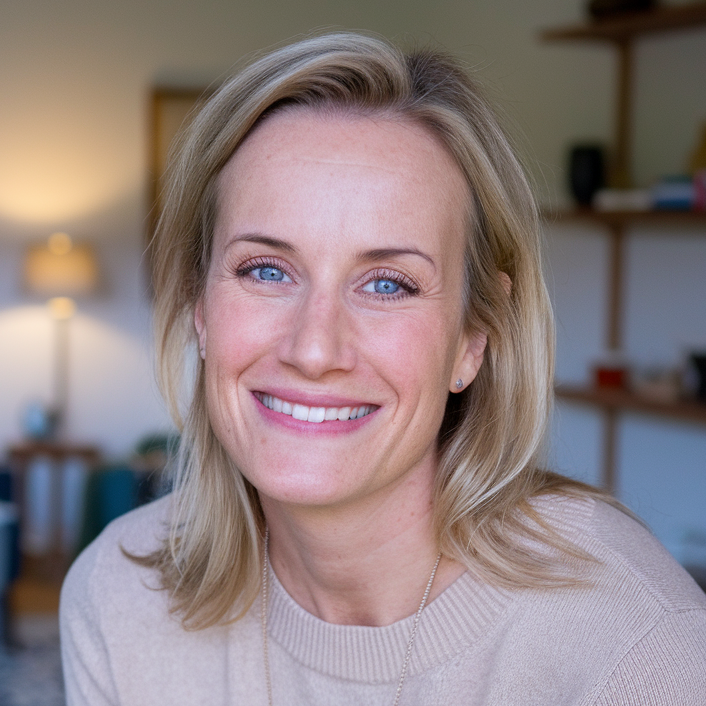
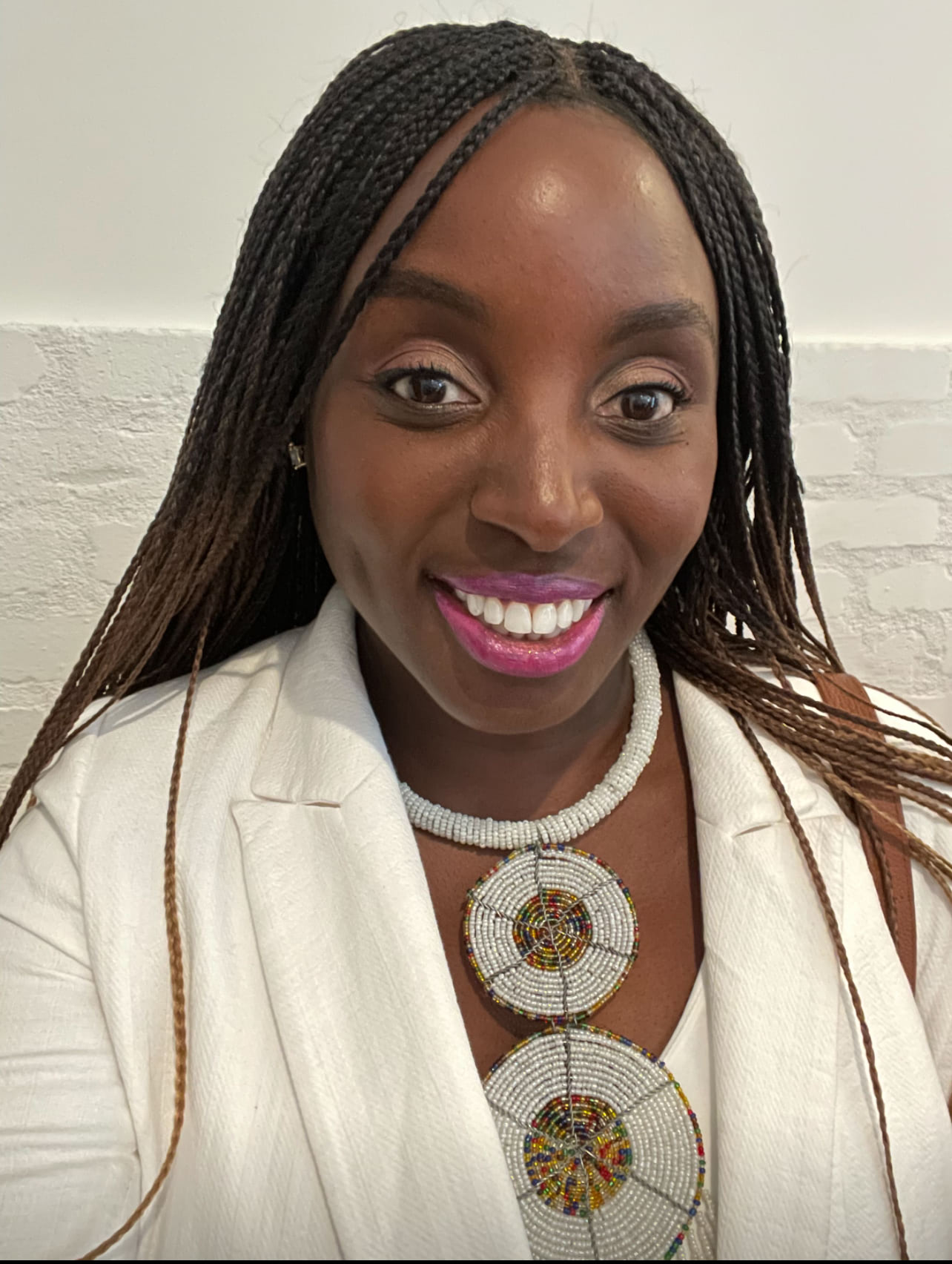
 Before
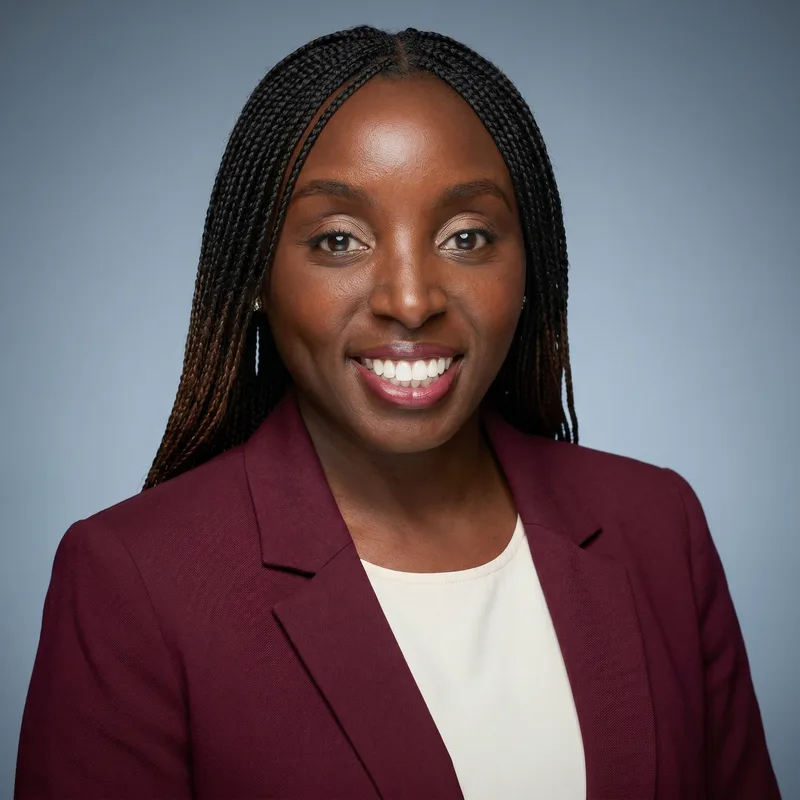 After
After“I might have regained faith in Humanity, or at least in AI Headshot generators. I could recognize myself in all 120 AI-generated photos. I was blown away by the respect for my unique features (skin tone, hair, eye color, and teeth/smile). Dreamwave AI like Anthropic is a great example of a company that is inclusive and intentional about generating helpful, harmless, and honest output. Thank you Dreamwave AI for the authentic representation.”
A booth that flatters some attendees and fails others isn't a perk, it's a liability. Here's how AI headshot systems handle skin tones, glasses, and religious head coverings, and what to ask any vendor.
Do AI headshots work for dark skin tones?
Yes, when the system is built and tested for it. Many AI headshot tools still do not, which is why this is a procurement question for event marketers and HR teams, not a nice-to-have FAQ line.
Face AI has a documented bias history. The Gender Shades research by Joy Buolamwini and Timnit Gebru showed that commercial facial analysis systems misclassified darker-skinned women at rates as high as 34.7%, while lighter-skinned men saw error rates under 1%. That research was about classification, not headshot generation, but the underlying lesson is the same: systems trained and evaluated mostly on lighter faces fail people who are not in that majority.
At a conference or company activation, that failure is public. An attendee who walks away with washed-out, grayish, or over-smoothed skin does not quietly leave a one-star review. They leave the booth talking to colleagues. For DEI stakeholders, a booth that works for some demographics and fails others is worse than no booth at all.
Dreamwave is rated highly for diverse skin-tone accuracy because identity preservation is treated as a product requirement, not a marketing claim. Customers notice.
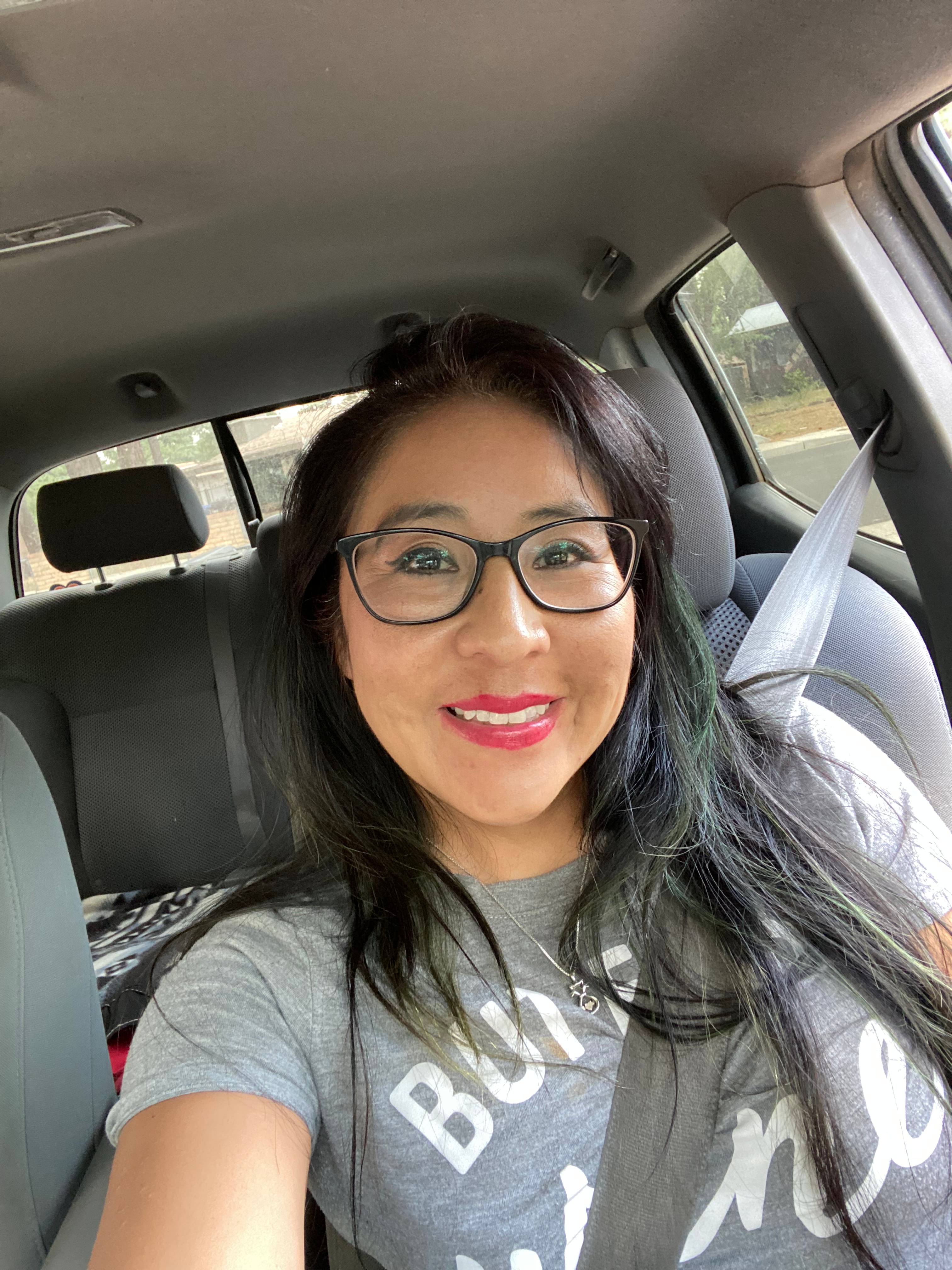 Before
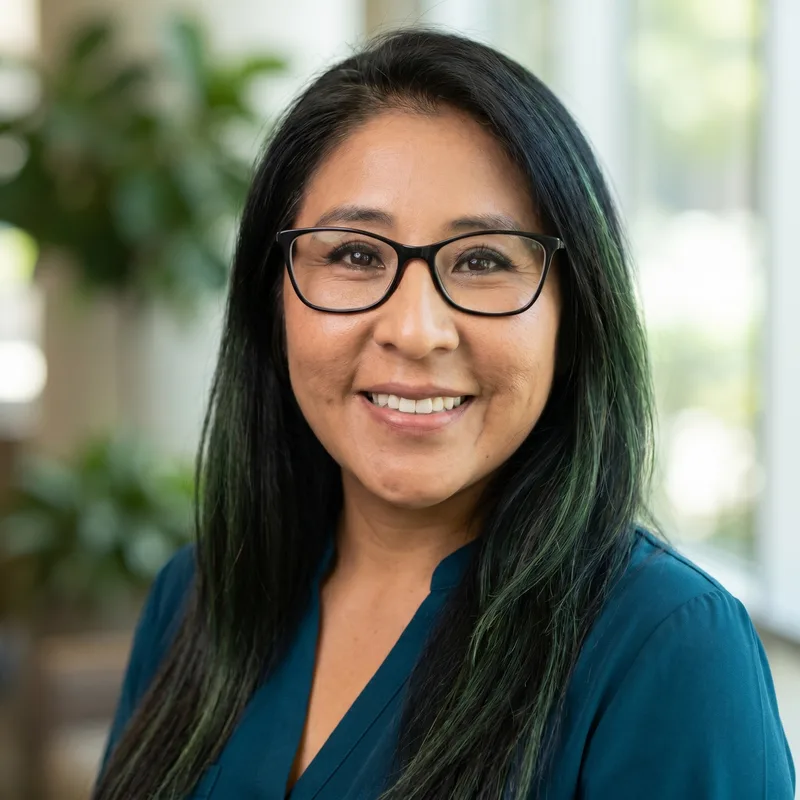 After
After“I was worried my photos would not look anything like me, but these photos are fantastic! I'm a Native American female and it looked like me. I used other cheaper AI platforms, but this was worth the money. Highly recommended.”
Why do some AI headshot tools fail darker skin?
Most failures come from training data that underrepresents darker faces, plus quality shortcuts that erase the texture those faces need to look real.
Gender Shades found that common face benchmarks were overwhelmingly lighter-skinned. When those skewed datasets shape the model, darker skin is more likely to come out too light, too flat, or incorrectly lit. Cheap headshot apps compound the problem by applying heavy beauty-filter smoothing. Smoothing that away does not make someone look “polished.” It makes them look like a different person.
Good engineering looks different. It starts with representative evaluation, not a gallery of the easiest faces. It uses enough per-photo compute to keep fine detail: pores, undertone, hair edges, fabric texture, instead of the fast path that turns everyone into a plastic average. And it relies on human testing across demographics before a model change ships.
On our side, that testing is concrete. Religious head coverings such as hijabs, turbans, and kippahs are treated as identity traits to preserve, not optional accessories to strip. Unusual or ambiguous head coverings are routed for human review before a shoot proceeds. And results are checked across skin tones, glasses (including mixed with/without sets), cultural attire, gray hair, and mature faces, the same categories attendees ask about at the booth.
Who is on Dreamwave's team?
Dreamwave is proud to be an inclusive team. We have teammates of many ethnicities, gender identities, ages, and backgrounds, and we are a small San Francisco based team of AI researchers with roots at places like MIT and Google Brain.
Representation in the room shapes what gets caught in testing. When the people building and reviewing headshots include the same range of faces that show up at a conference booth, failures on darker skin, religious head coverings, glasses, or mature features are less likely to slip through as edge cases.
Do AI headshots work with glasses?
Yes. A competent AI headshot system handles glasses, including uploads where some photos show glasses and others do not.
Glasses are one of the most common booth questions, and one of the easiest places for a weak model to invent or erase frames. Dreamwave keeps glasses when they are part of the person's look. Mixed input sets are supported, so someone who usually wears glasses does not need a perfectly consistent selfie pack. If glasses matter to how an attendee presents professionally, the booth should not be guessing.
Do AI headshots keep hijabs and other religious head coverings?
Yes. Dreamwave preserves hijabs, turbans, and other religious head coverings. Many widely used tools do not.
A Berkeley Law researcher, Mahwish Moazzam, uploaded selfies to more than 25 widely used AI headshot generators over the course of a year. Every one removed her hijab. Only two produced mixed results with distorted or incomplete coverings. Some apps even asked whether to keep accessories like glasses. None asked whether the hijab should remain.
For Muslim women, and for anyone whose faith is visible in how they dress, that is not a styling glitch. It is identity erasure. At an inclusive event, it is also a predictable embarrassment: the booth that was meant to celebrate attendees quietly edits a religious practice out of the frame.
We tested the claim from the Berkeley study. Selfies with a hijab go in; professional headshots with the hijab still on come out. Head coverings are treated as identity, not as clutter to remove for a “cleaner” corporate look.
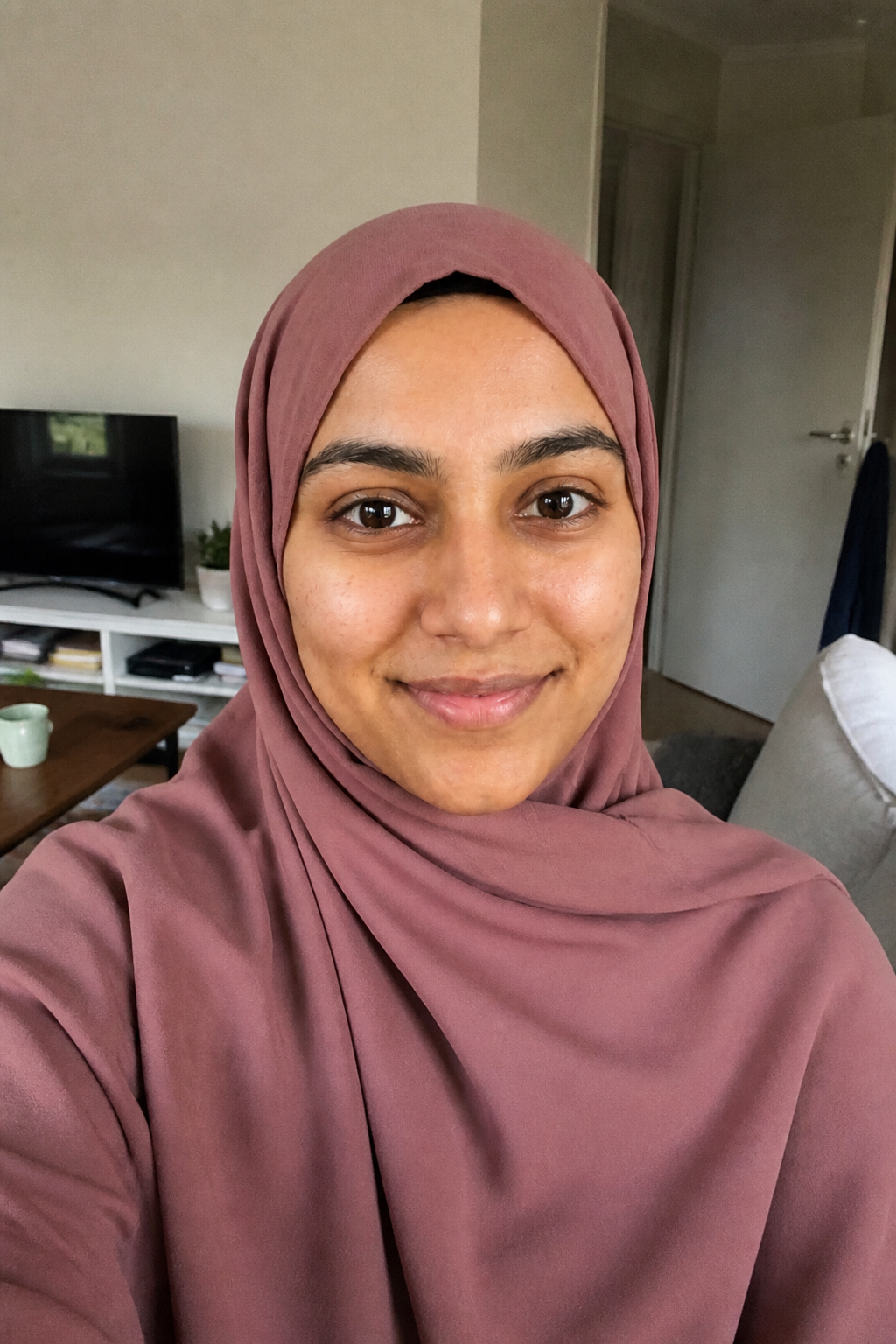 Before
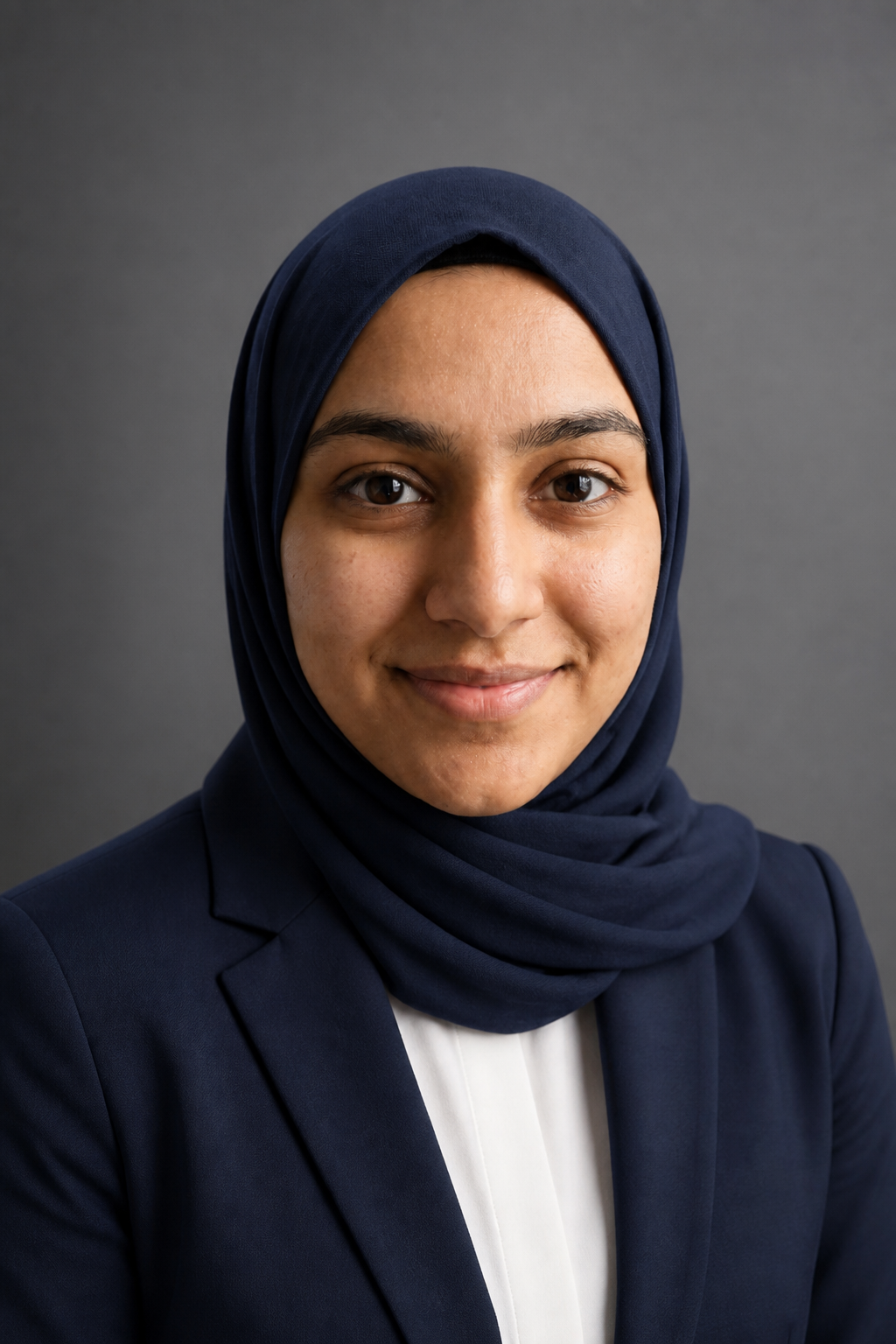 After
AfterIf you are evaluating any vendor for a DEI-sensitive activation, ask for this exact test with your own images before you sign.
Do AI headshots work for gray hair, freckles, and mature faces?
Yes, if the system is optimizing for likeness instead of a beauty-filter default that airbrushes age and texture away.
Gray hair, freckles, smile lines, and mature facial structure are identity signals. Tools that “improve” faces by default tend to darken gray hair, erase freckles, and push every adult toward the same 28-year-old average. That may look slick in a demo reel. It fails the person standing at the booth.
The standard that matters for events is simple: does the output look like the attendee, or like a younger, smoother cousin of the attendee? Dreamwave keeps gray hair, freckles, and natural skin texture. Professional lighting and wardrobe changes are fair game. Rewriting someone's age or facial detail is not.
How do you test an AI headshot booth before a public event?
Run a small pilot with the same mix of faces you will see on the floor, then score the outputs for likeness before you book the full activation.
Do not judge a vendor from a homepage gallery. Galleries are curated. Your attendees are not. Before you rent an AI booth for a conference, ERG summit, or company offsite, ask for answers to these questions:
- Please explain how you designed and tested your system to work across skin tones, glasses, religious head coverings, gray hair, freckles, and mature faces.
- Show me before/afters across a real range of skin tones, including deep skin tones under the same lighting style you will use on site.
- Show me outputs with glasses, including a mixed with/without input set.
- Show me outputs with hijabs, turbans, or other religious head coverings. Prefer a live demo with images you provide.
- Show me gray hair, freckles, and mature faces. Confirm the system is not beauty-filtering age away.
- What data do you collect about attendees, and what happens to their photos after the event?
Score the pilot the way attendees will: would this person happily post the photo, or would they ask for a refund and tell three colleagues? If a vendor cannot clear those questions with evidence, they are not ready for a public activation. The cost of finding that out on the show floor is far higher than the cost of a pilot.
What data should an AI headshot vendor collect?
Almost none. For an event booth, the vendor needs the photos required to generate the headshot, and enough contact detail to deliver results if that is part of the activation. They do not need ethnicity, age brackets, or a permanent face database.
Some consumer apps collect demographic labels, such as ethnicity, age, and whether you wear glasses (indicating a health condition) because they are building training datasets. That is a different business. Dreamwave does not collect ethnicity or age categories from booth guests. Customer photos are never used to train public models, never sold, stay in US-resident infrastructure, and remain deletable. Full details are on our Trust Center.
Representation and privacy are the same procurement question from two angles. An inclusive booth has to work for every attendee in the room, and it has to leave that attendee in control of their face afterward.