
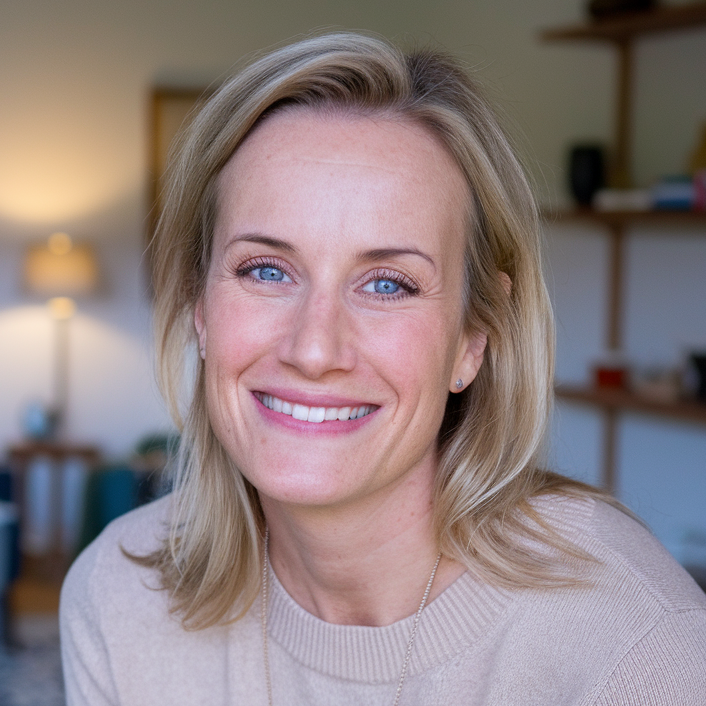
In 2026: yes for the best tools, visibly no for the cheap ones. Here's how to tell the difference, with unretouched examples.
 Before
 After
AfterSkepticism about AI headshots is earned. Early consumer tools from 2023 left a mark: plastic skin, glassy eyes, faces that looked adjacent to the person instead of like them. Reddit filled up with reviews that read like affiliate copy. Plenty of apps still ask for 25 carefully staged selfies and return a gallery of strangers in blazers. If that is your mental model, you are not wrong about those tools. You are just asking whether the category improved enough for LinkedIn, speaker pages, and event booths.
This piece is objection-handling as content. We concede the failure modes, show unretouched before-and-afters from real customers, and separate what “good enough” actually means from marketing fog.
Are AI headshots worth it in 2026?
Yes, if you use a high-compute tool that preserves likeness and you get a large enough gallery to pick winners. For LinkedIn, company sites, and conference badges, that bar is “would I put this on my profile without embarrassment,” not “is every pixel forensic.” Cheap pipelines still fail that test in seconds. Strong ones pass it for most people, which is why we see customers posting results the same day.
Worth it also depends on the alternative. A studio session can be excellent and still cost hundreds of dollars, a calendar slot, and a week of editing. AI is worth it when you need professional options quickly, when a whole team needs matching quality, or when an event needs hundreds of headshots without a photographer bottleneck. It is not worth it if you pick the cheapest generator and hope volume of selfies will paper over under-computed faces.
Do AI headshots look fake?
Some do, and you can usually spot them in under a second: wax skin, mismatched glasses, hair that turns into mush at the edges, or a face that is “close” in the way a bad composite is close. Others look like a real photoshoot, which is the only standard that matters for LinkedIn.
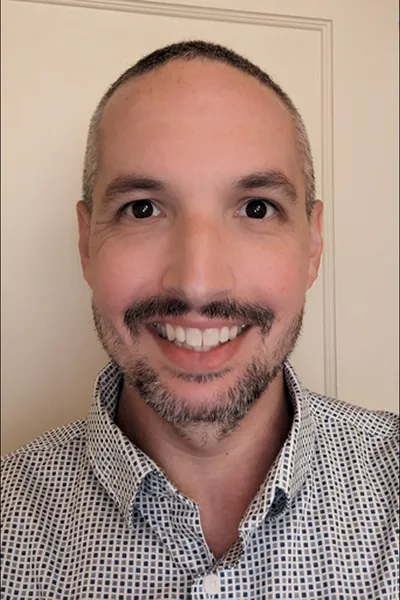
Fake usually means the model spent its budget on a generic professional vibe instead of your specific face. Real means pores, freckles, frames, hairline, and skin tone survive the transformation. If a tool markets “studio quality” and the samples still look airbrushed into anonymity, believe the samples.
 Before
 After
After“These AI headshots look realistic unlike other services I've used!”
Can people tell if your headshot is AI?
Often no, when the likeness is strong and the styling is restrained enough to look like a photographer's work rather than a filter. The useful test is not whether an internet detective can reverse-engineer the pipeline. It is whether the people who know your face accept the photo without flinching.
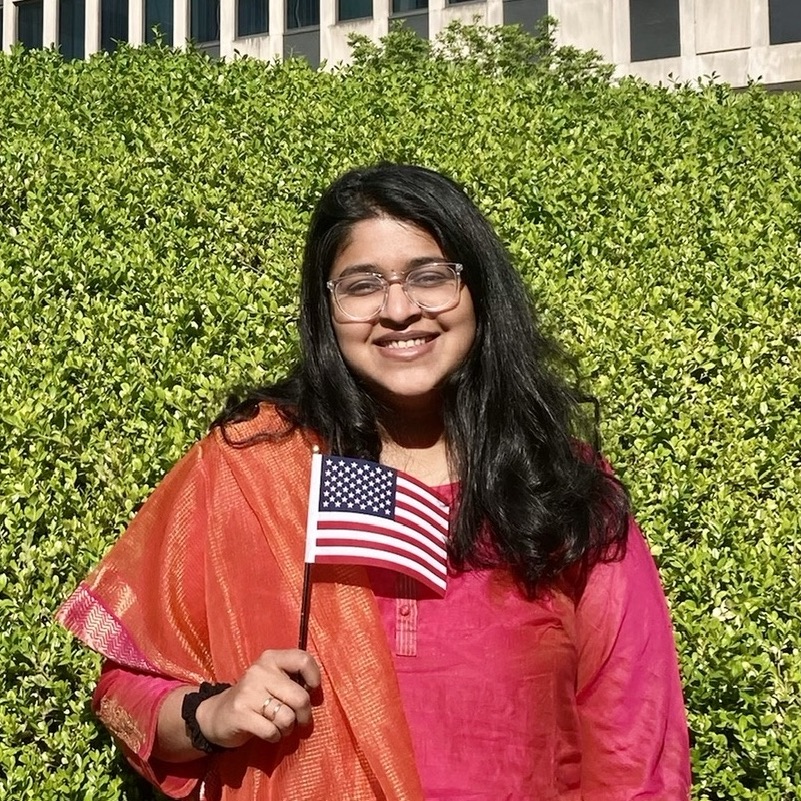
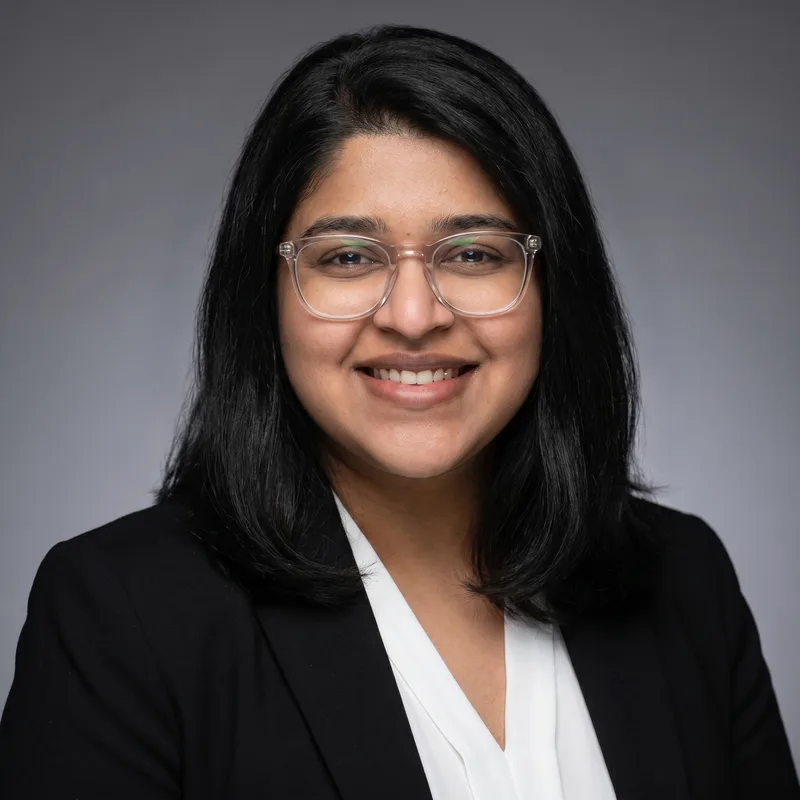
That is the bar customers describe when results land. Freia Lobo put it plainly: her dad did not clock an AI workflow. He assumed she booked a shoot.
 Before
 After
After“Dreamwave is the best AI professional headshot generator hands down. I showed my dad the photos and he just thought I got a photoshoot done. Some of the photos even have me doubting myself…”
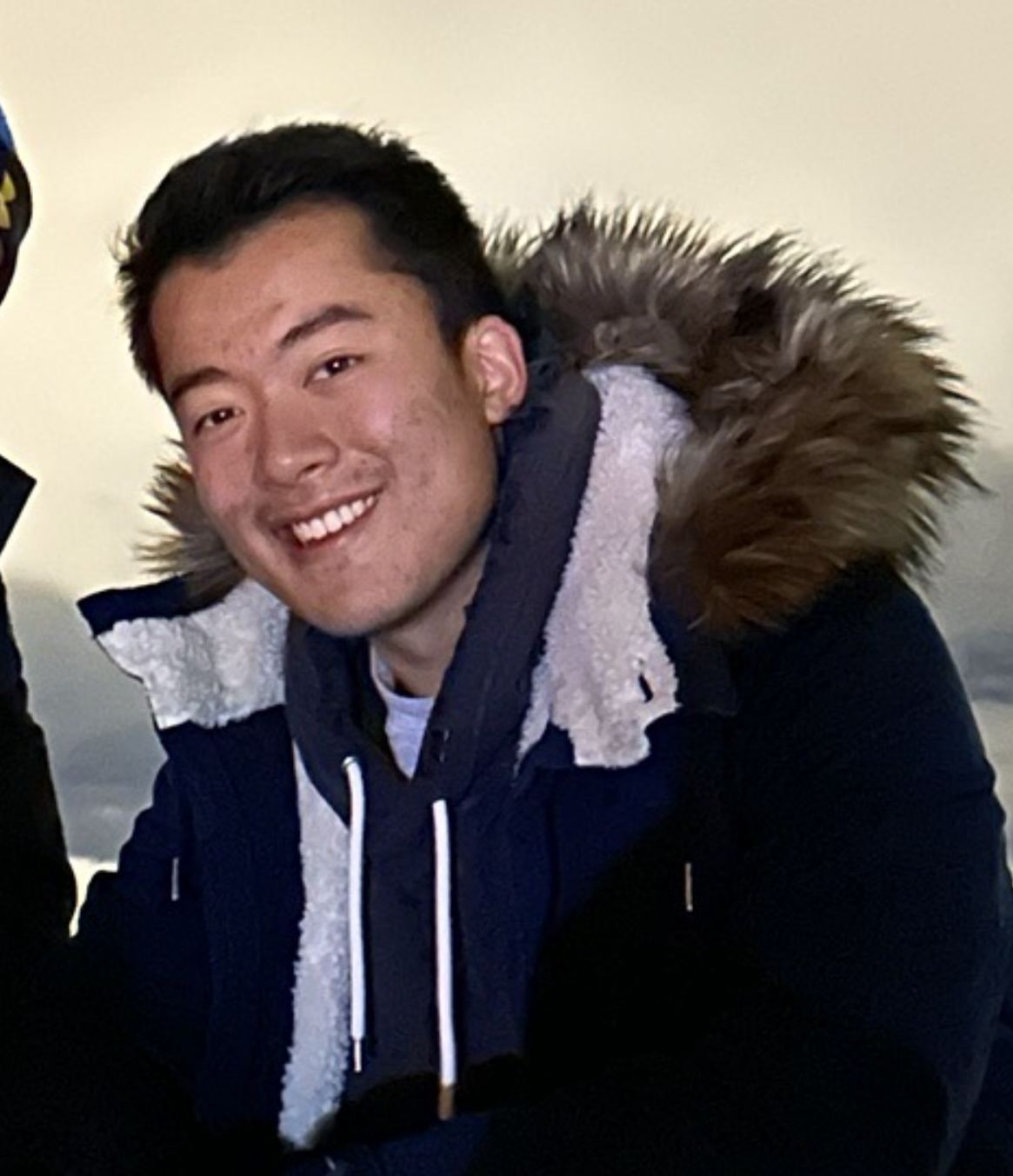
Daniel Yao's reaction lands in the same place: not “cool AI trick,” but “these look like they were actually real.”
“Genuinely, wow!! Just tried Dreamwave's AI headshot generator and I am blown away. So many of my AI headshots looked like they were actually real. Definitely using a lot of these for sure.”
 Before
 After
AfterWhat makes some AI headshots look real and others look plastic?
Compute per photoshoot, training priorities, and style design. Plastic skin is usually what you get when a system under-computes fine facial detail and smooths the face into a generic “professional” average. Real results keep the expensive parts: pores, glasses frames, hair edges, undertone, and the small asymmetries that make a face yours.
A few specifics matter more than brand slogans:
- Compute per photoshoot. Likeness lives in detail. If the pipeline is optimized to be cheap and fast above all else, it will trade away the texture that makes a face look photographed instead of rendered.
- Training and product intent. Tools built to maximize novelty selfies behave differently from tools built for professional identity photos. You can see it in whether unique features survive.
- Human-designed styles vs prompt spam. Curated outfits and backdrops from photographers and stylists look coherent. Infinite random prompt menus produce costume energy that reads as AI even when the face is decent.
- Likeness across demographics. A system that only looks good on one skin tone, or that drops glasses and head coverings, is not “good enough” for LinkedIn or for a public booth. We wrote a separate guide on skin tones, glasses, and head coverings.
If you are evaluating vendors, ignore homepage collages for a minute. Ask for unretouched before-and-afters on faces that look like your audience, including glasses and darker skin tones. The gap between plastic and real shows up immediately.
What are the failure modes, even with the best tools?
Even strong AI headshot systems produce a mix of stronger and weaker shots, occasional artifacts, and results that rise or fall with input quality. Honesty about that is part of using them well.
First, galleries are not uniformly perfect. In a set of dozens of portraits, some frames will be keepers and some will be almost-right. That is why volume matters. You are not hoping one generation is flawless. You are picking winners the way you would from a real contact sheet.
Second, artifacts still happen: a weird hand at the edge of frame, a glasses reflection that looks off, hair that loses a strand pattern in one variant. Good products make those the minority. They do not pretend the minority is zero.
Third, garbage selfies in still produce mediocre options out. Extreme blur, heavy occlusion, group photos where your face is tiny, or lighting that erases your features all reduce what any model can recover. A booth selfie in decent hall light is usually enough. A dark, motion-blurred crop of half a cheek is not a fair test of the category.
The practical takeaway for skeptics: judge a tool by its best selectable outputs and by how often those outputs look like you, not by whether every single frame could hang in a museum.
Do AI headshots work from one selfie at an event booth?
Yes, when the booth pipeline is built for that constraint: one or two selfies in exhibit-hall lighting, browser-only capture, and enough server-side compute to rebuild likeness without asking attendees for a 25-photo homework assignment.
This is where event marketers get burned by consumer apps transplanted onto an iPad. Attendees will not stage a perfect input set between sessions. They will take a quick selfie under mixed lighting while a line forms. Per-photo compute matters most there, because you cannot paper over a weak model with more uploads. The system has to extract a usable likeness from a thin input and still return something people are willing to put on LinkedIn before they leave the hall.
If you are buying a booth, ask vendors for sample outputs generated from single selfies taken on-site, not from curated studio inputs. Ask what happens when wifi drops mid-generation. And ask whether quality holds across the same demographic range as your badge list. For the engineering side of that problem, we published notes on building booths for conference wifi.
Running a conference, expo, or company offsite? See event headshots for iPad stations, QR overflow, and how activations scale past a single photographer line.
When should you NOT use an AI headshot?
Do not use AI headshots when you need exact physical documentation rather than a professional likeness for profiles and marketing. Actor and model comp cards that must record current appearance for casting, and forensic or government ID uses, are the clear no cases.
LinkedIn, speaker bios, company directories, and event badges are different. Those contexts reward a true-to-you professional photo, not a passport-machine capture. AI is a poor fit when someone will later compare the image to your body in person for compliance reasons. It is a strong fit when the job is “look like yourself on a good day, in clothes appropriate for your industry.”
If you are still unsure, run the family test on a real sample of your own face before you commit a whole team or booth budget. If the people who know you accept the photo, you have your answer. If they hesitate, try a better tool before you write off the category.
Ready to see what high-compute results look like on your own photos? Try Dreamwave AI headshots.